
Mechanic On Social Media: Essential Brake pads 101
As a mechanic, it tickles my brain when people create humor-filled content inspired by my line of work. Most individuals in the blue-collar industry have a crazy, humorous personality—and you can tell by what they post on their social media.
A few months back, I found myself on the automotive side of TikTok, and man did I laugh my a*s off.
What really got me was people being shocked about their brake pads getting worn out. Man, a few of the brake pads I saw were complete metal, and I found myself growing a bit concerned.
As someone that’s been in the industry for years now, I thought it’d be best to teach people about these little, beautiful guardian angels.
What Are Brake Pads And How Do They Work?
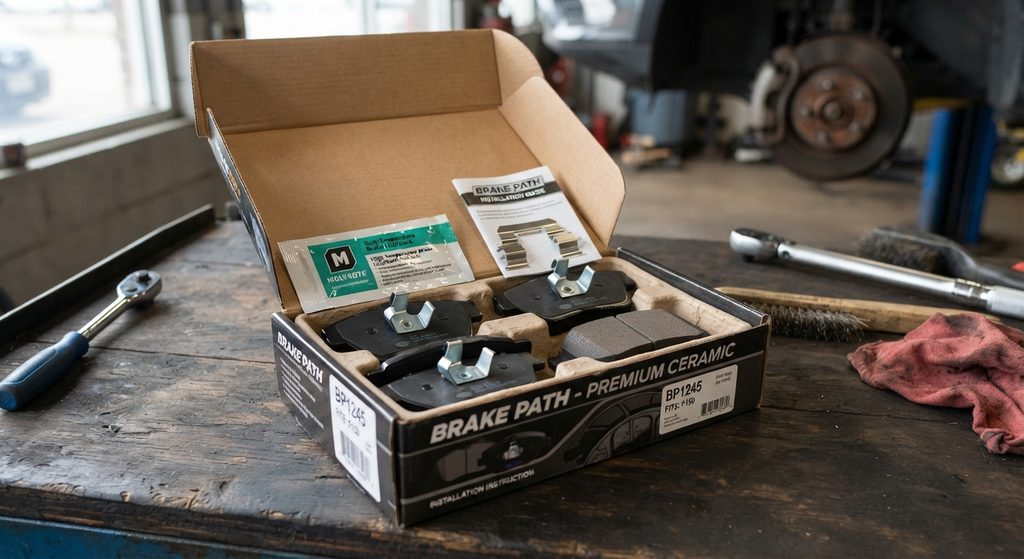
Brake pads are steel backing plates made with friction material attached to their surface. They hold against a vehicle’s brake rotors (brake discs) to convert kinetic energy into thermal energy, which then stops the car.
When the brake pedal is pressed, hydraulic fluid is forced from your master cylinder through brake lines to squeeze the brake caliper, which in turn presses the brake pads against the rotor.
From experience, I’d tell you that this entire process produces intense heat. The heat helps slow down or stop the vehicle.
Do not touch the rotor immediately after the car stops; you’ll get burnt.
When Is It Time To Replace Them?
Surprisingly, most people don’t know that they’re supposed to get their brake pads changed. Not many people know that brake pads wear out; they are designed to wear out.
Signs of failure are there before the final blow is delivered. You just have to be alert: you’ll save your relationship with both the mechanic and your car.
Below is what you should look out for:
- Squealing & Grinding Sounds: Engineers have made it easier for drivers nowadays by adding built-in metal “wear indicators” to brake pads. These indicators begin to grind against the rotors when the brake pads wear out. The sound is more like a high-pitched squeak or raw scrape.
- Vibration & Delayed Response: Shaking when you press the brake pedals is a common symptom of worn-out brake pads. Also, be wary of your car taking forever to stop when you press the pedal—that’s a very common problem that many drivers face.
- Pulling On One Side: Your car might turn to the side when you press your brake pedal. While pad wear can contribute, mechanics know this is often caused by a stuck caliper slide pin or a collapsed brake hose rather than just worn friction material.
- Dashlight Warning Light: Most modern cars I’ve had the privilege of working on have flashing words or icons on the dashboard that tell you when brake pads need to be checked. The sensors attached to your brake pads send this message to your car. (Note: The ABS light usually points to wheel speed sensor issues or lockup prevention, but a low brake fluid warning often pairs with thin pads.)
What To Consider When Buying Your Brake Pads
- Be sure to check the return policy before purchase: You shouldn’t be stuck with the wrong product.
- Check the quality of the product: Poor material is guaranteed to wear out faster, and it might chew up your rotor.
- Check for the correct size and design.
Final Verdict
Your car will give you a sign if your brakes are worn out—just listen to it. You don’t need to get into an accident for you to get the message.
Also, be sure to learn a few things from your mechanic. Ask questions and listen; you’ll not lose anything.
Otherwise, as a mechanic, it’s kinda funny when someone yells out, “Change the pads!” and you’re frozen in shock—cause, did he just say that? Automotive is full of fun moments—you’ll make it insufferable if you decide to blame the wrong person over something you could have prevented.
Have your brakes ever failed you?