
The Ultimate Car Cooling System Guide: How to Stop Going Broke….101 Cars

Growing Up
Growing up is pretty much me realizing I was a dumbass kid. Hey, I still have those moments—but me not knowing of cars needing water to survive is pretty much one thing that doesn’t make sense.
You must be wondering why I think my younger self not knowing anything about the car water system is dumb? Well, as mentioned in my older posts—I come from a family filled with mechanics, this sh-t’s supposed to be installed in my brain from birth!
Coming from a traditional family, I do also blame those that were supposed to install this knowledge in me. Just because my nuts are on my chest doesn’t mean that I shouldn’t know basic life lessons. Like, come on!
Automotive Realities
Automotive is pretty intense and it also has too many terms and wordings that would make one want to give up on the first day. Like why do you need to know all these things? And why is the car cooling system full of so many things?
Genuine question, though? Is your car heating up?
A vehicle is made of so many different items, and that includes an entire rotation of water (coolant) that keeps your engine from burning up and also your pockets from drying up.
Car maintenance is hell.
The car cooling system is one topic that can make you sweat with the A/C turned on. You’ll be changing the top of your hose when the water pump is at fault—happened to me.
Being the good (cringe) mechanic I am, I want you to learn your car parts so that you can know what’s truly making you go broke. People in all professions will feed off your stupidity and you’ll blame them, quite alright—but even if you go to another professional, they’ll feed off you, too.
Pull your chair, sit your ass up straight (I’m lying down while typing this) while I teach you what your daddy needed to do. Behave:
Water Pump
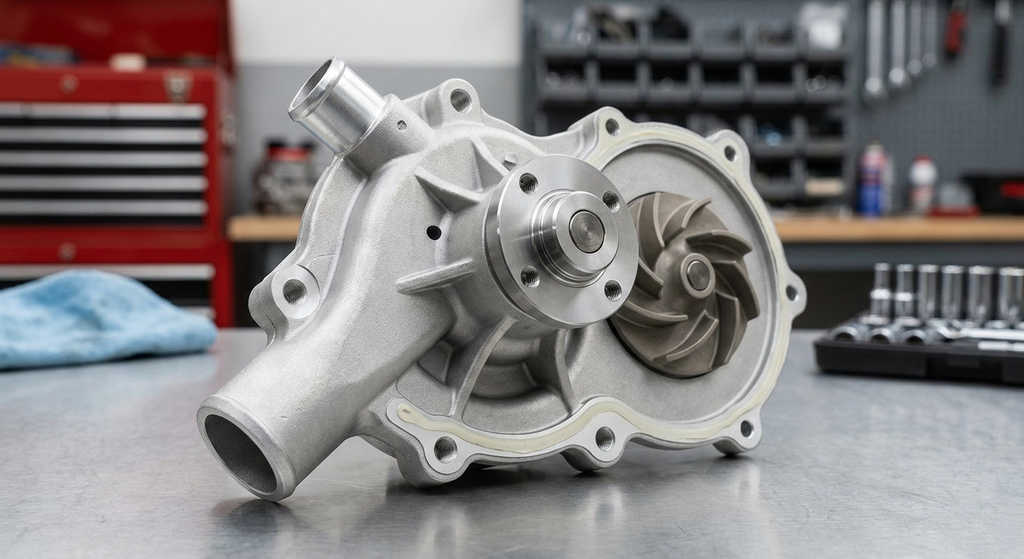
Water pump: Remember when I mentioned the alternator being the heart of the electrical system, this is the heart of the cooling system. And like the heart within your chest, this part keeps your car alive by pumping coolant (or water) to your engine.
This, unlike other parts of your vehicle, can’t be mended or worked on. The only solution you have when it gets worn-out is replacing it.
Radiator
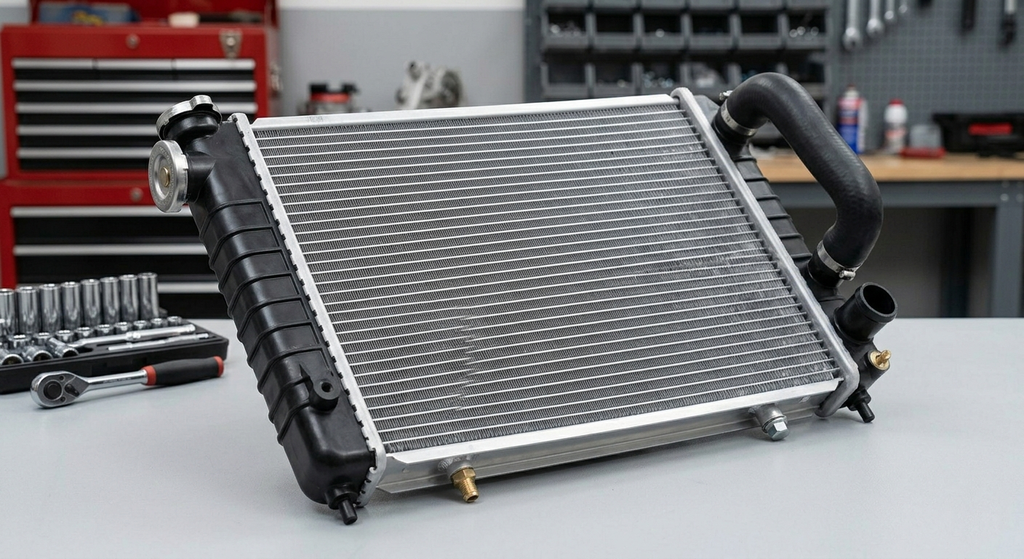
Radiator: This is more similar to you; it keeps taking back that toxic ex. The main purpose of this item is to receive heat from the engine. This process occurs in its fins.
The radiator also supplies water to the engine. The more water drains from your engine, the more likely your engine is boiling up—take care of it before it turns your engine into ashes.
Coolant Reservoir
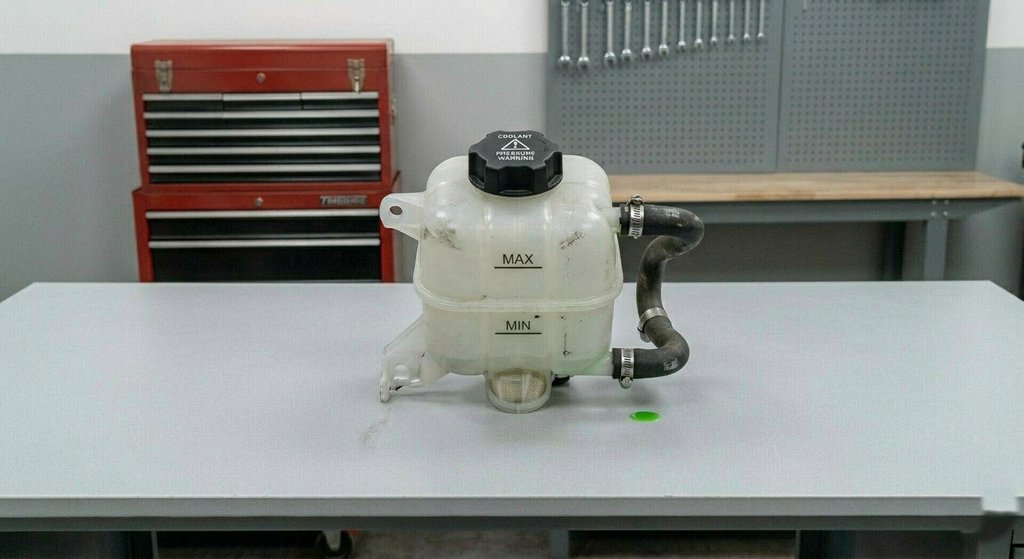
Coolant Reservoir: This part works hand-in-hand with your radiator. It acts as backup, supplying water to your radiator when it loses water/coolant.
In most cases, when the heat pressure from the engine is too much to handle and the radiator is losing its water supply, this part comes in handy. Make sure it’s filled to its requirement. If your radiator is leaking, check this, too.
Hoses
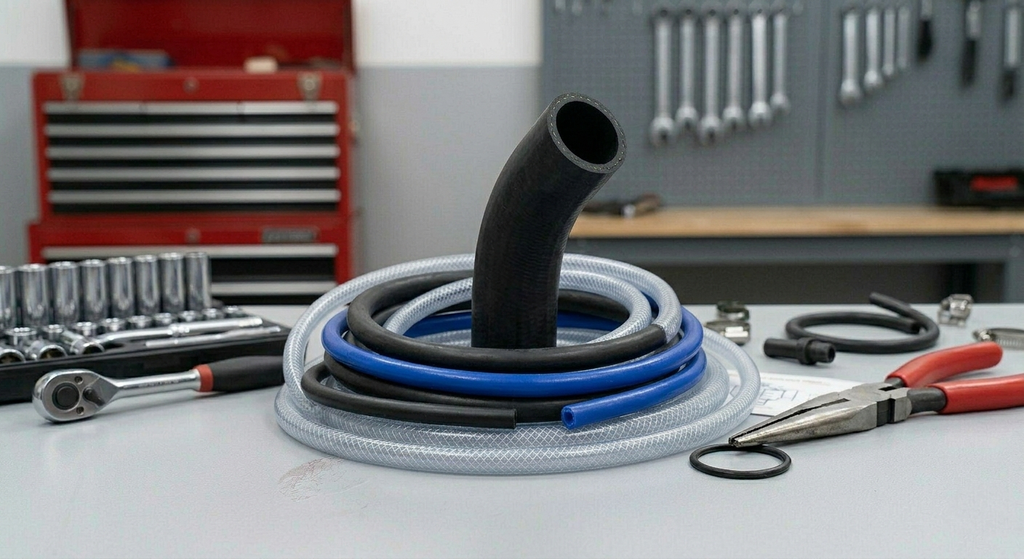
Hoses: The image above looks like a… anyway, these are more the blood vessels. They transport water/coolant to and from the engine.
The radiator, reservoir, and every other part of this has a different size (this statement is funny to me, excuse me). If for some reason, it begins to leak or soften, replace it before it has an outburst. The car I use had this happen before, and it was an ugly sight.
Thermostat
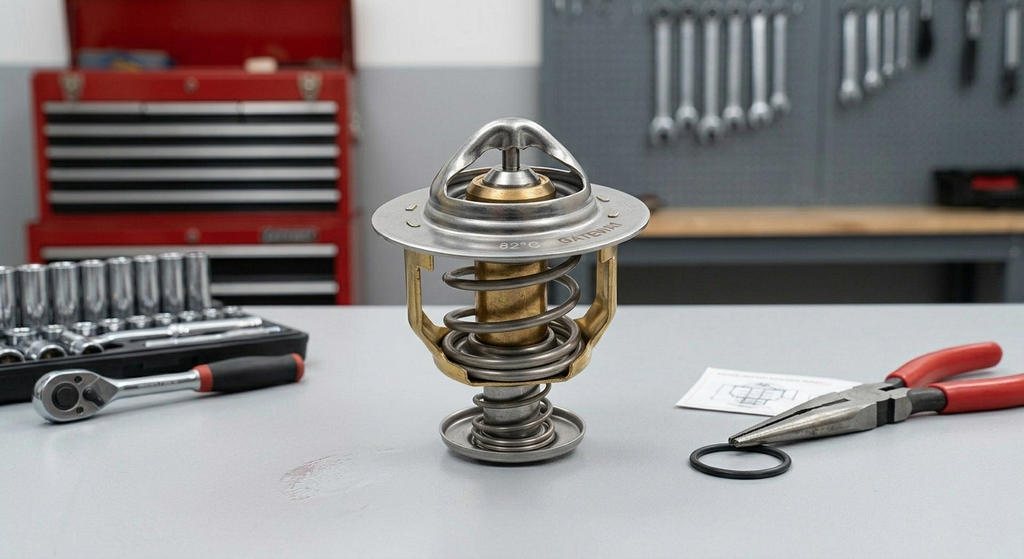
Thermostat: This is the director of the whole system—very different from the one you put in your armpit, mouth, and butt.
The thermostat may or may not act like that uncle that knows a lot of people, but doesn’t want to connect you to them.
It opens and closes in accordance with the temperature of the engine. If the engine is cold, it won’t open up. Unless and until the engine heats up, will it allow the radiator to supply water/coolant to the engine.
Radiator Fan
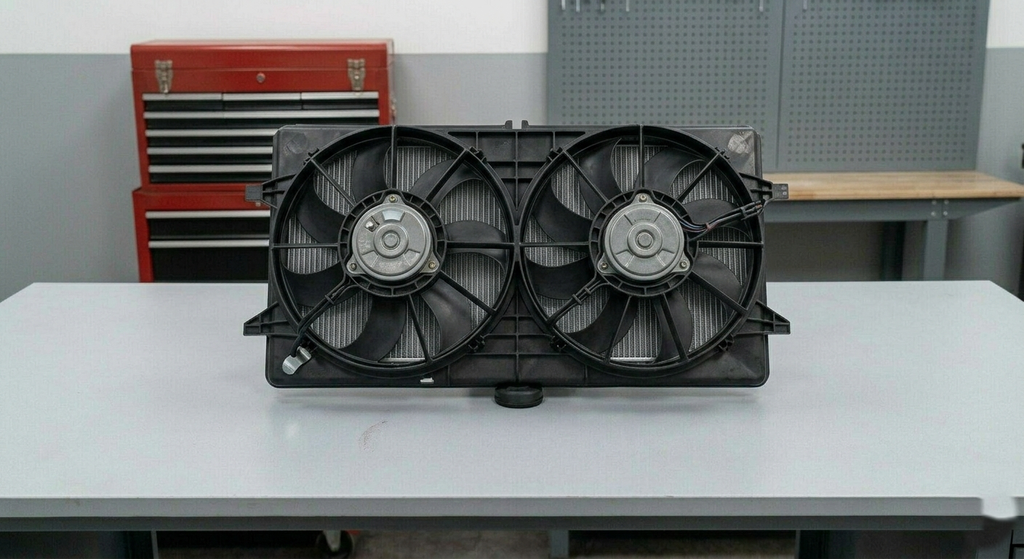
Radiator Fan: The fan works when the engine is idle or moving at a slow pace. When you start your car, this is what prevents your engine from heating up.
And keep in mind that if your fan breaks or stops working while you’re on a drive, your engine will heat up. The fan pulls heat from the radiator’s fins, spreading it into the atmosphere.
Disabling it will ruin your engine.
I really want to know if this fan can be used in one’s house. To the electrical engineers, do you think it’s possible?
Honestly, these items all work hand-in-hand. If one dies, then the others will follow suit. Pay attention to them all, and be sure to check if the cooling system is working alright before a drive.
Disclaimer
Disclaimer: Older car models, like the car I use, do use water. Due to the sensors added to the newer car models, I’ll ask you to refrain from using water in your more advanced cars—unless you’re sure it’s okay.